
QHSE
Quality, Health, Safety & Environment
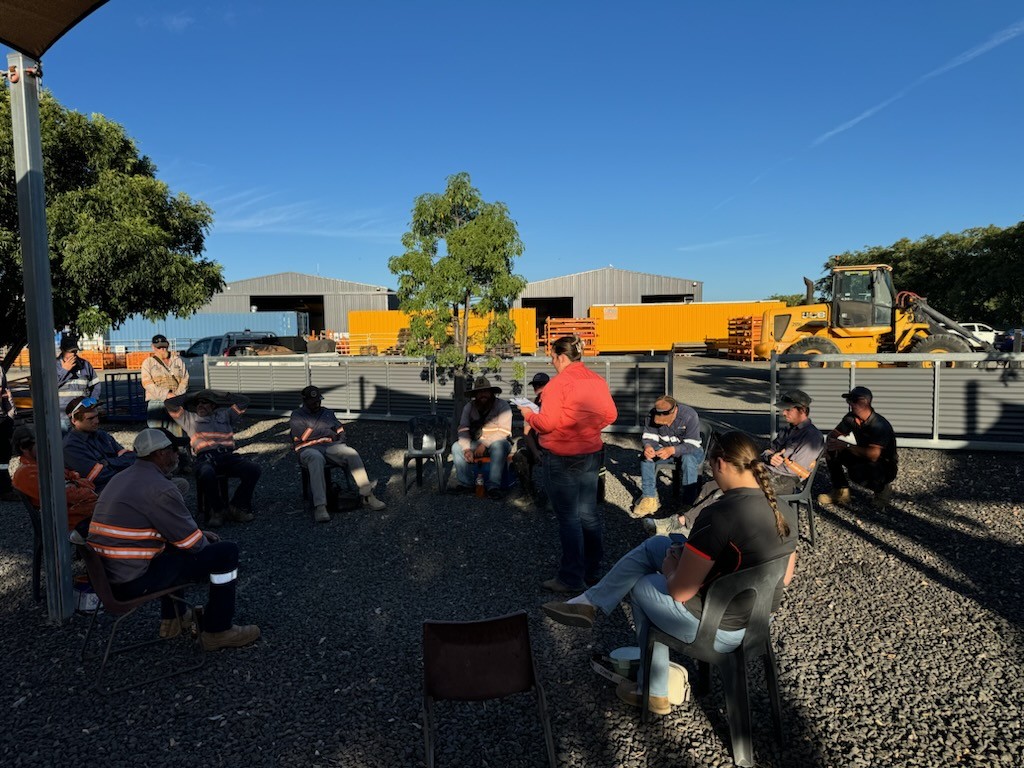
At Tasman, quality and safety are operational disciplines—not administrative exercises.
Our management systems are designed to reduce operational risk, improve reliability, and safeguard people, assets, and the environment across all activities. Through structured procedures, continuous monitoring, and industry-recognised standards, these systems support safe execution, regulatory compliance, and consistent operational performance across drilling, intervention, and wellsite operations.
Certified Management Systems
Tasman operates under ISO 9001 (Quality Management), ISO 14001 (Environmental Management), and ISO 45001 (Occupational Health & Safety) certified management systems. These systems govern how equipment is inspected, maintained, prepared, and deployed across all operational bases.
These certifications have been awarded by Certifi International, an accredited third-party certification body, following independent audit of Tasman’s management systems against each standard.
Equipment integrity is critical to safe and reliable execution. All drilling, fishing, thru-tubing, packer, pressure control, and associated equipment is inspected and maintained in accordance with defined standards.
- Inspection and quality control aligned with TH Hill DS-1 standards
- Documented inspection, redress, and test records
- Use of API-licensed machine shop facilities where applicable
- Traceability of critical components and inspection history
These controls ensure equipment performs as intended and reduces the likelihood of failure during operations.
Our Safety Standards
Continuous Improvement & Auditing
Continuous improvement is embedded within Tasman’s management systems through structured documentation, target setting, internal audits, and external certification audits. Operational feedback and lessons learned are captured and incorporated into procedures, training programs, and equipment readiness processes to continually improve performance.
Safety Leadership & Accountability
Tasman employs dedicated QHSE leadership responsible for managing safety systems, compliance, training, and operational assurance. This structure ensures safety accountability remains active and visible across all locations and operations, supporting a culture where safety and quality are integral to how work is performed.
Operational Confidence for Engineers
For engineers and operators, Tasman’s quality and safety systems provide confidence that equipment arrives on location inspected, prepared, and supported by documented processes designed to reduce operational risk and non-productive time. Quality and safety are not separate from execution—they are fundamental to reliable, efficient wellsite performance.
Our Quality Standards
We are committed to upholding high standards across Quality, Health, Safety, and Environmental (QHSE) practices. Our processes are designed in alignment with recognised industry standards, ensuring safe operations, consistent quality, and responsible environmental management across all projects.
ISO (International Organization for Standardization)
An internationally recognised framework for managing workplace safety, reducing operational risk, and protecting personnel across drilling, intervention, and wellsite operations.
DS-1 Inspection (Drill Systems Inspection Standard)
An industry inspection standard used to verify the integrity and reliability of drilling and well intervention equipment, supporting safe operations and equipment performance.
API Q2 (American Petroleum Institute)
A quality management standard developed for oilfield service companies, ensuring consistent service delivery, operational control, and continuous improvement across field operations.
Talk to Tasman Early
The safest and most efficient projects begin with early engineering, equipment selection, and logistics planning. Early engagement helps manage interfaces, reduce execution risk, and ensure QHSE standards are embedded from the outset.
Speak to an Engineer