Solutions & Capabilities
Drilling Tool Solutions
Comprehensive drilling tool rental solutions and BHA components for safer, flexible, high-performance drilling across conventional and complex wells.
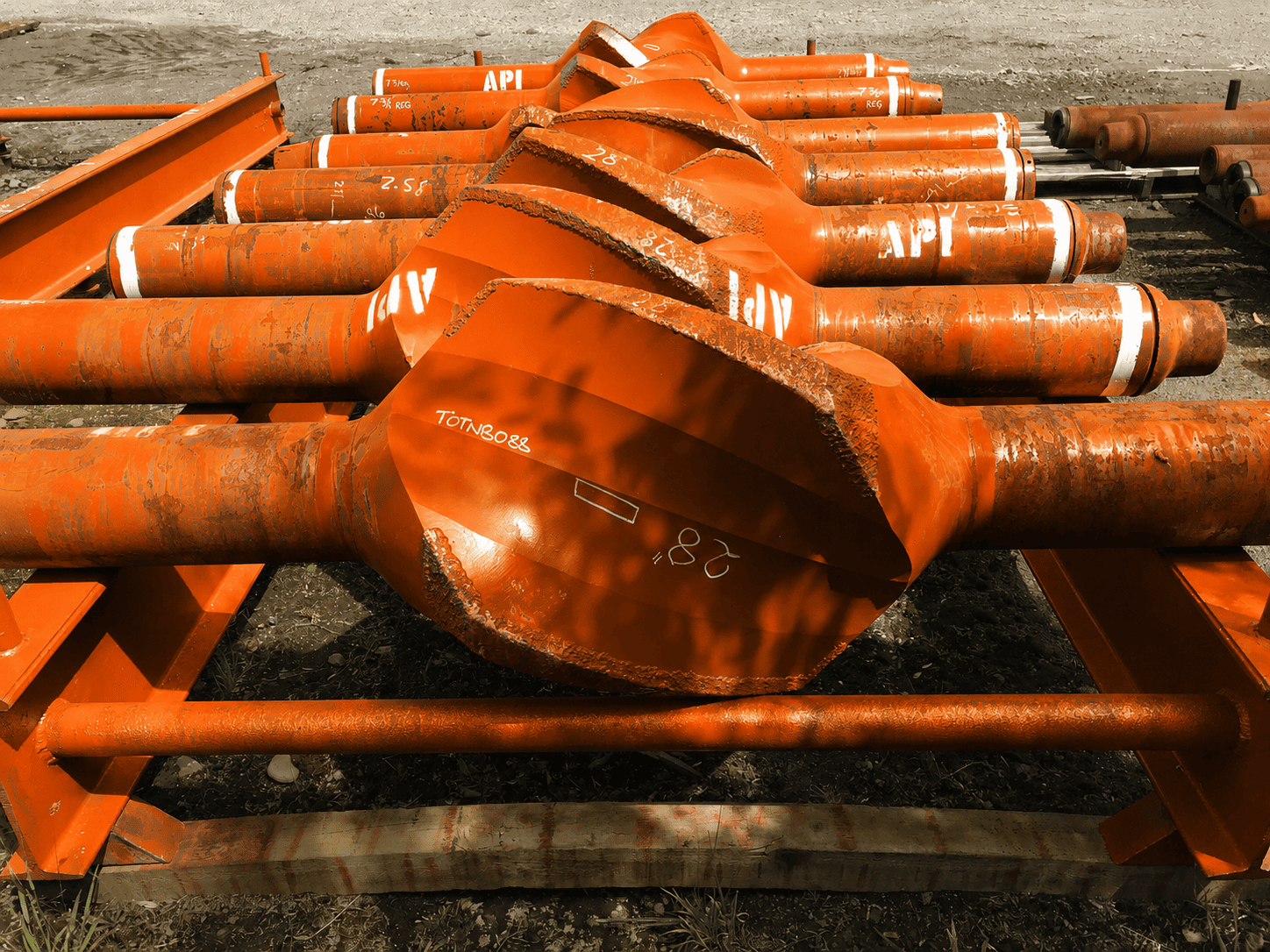
Drilling Rental Tools & BHA Components
A comprehensive drilling rental fleet offers bit-to-BHA solutions designed for conventional, directional, geothermal, and high-complexity wells. The fleet enables efficient drilling operations, enhances wellsite safety, and supports operational flexibility, ensuring high performance and reliability across a variety of well environments.
Browse Drilling Rental Tools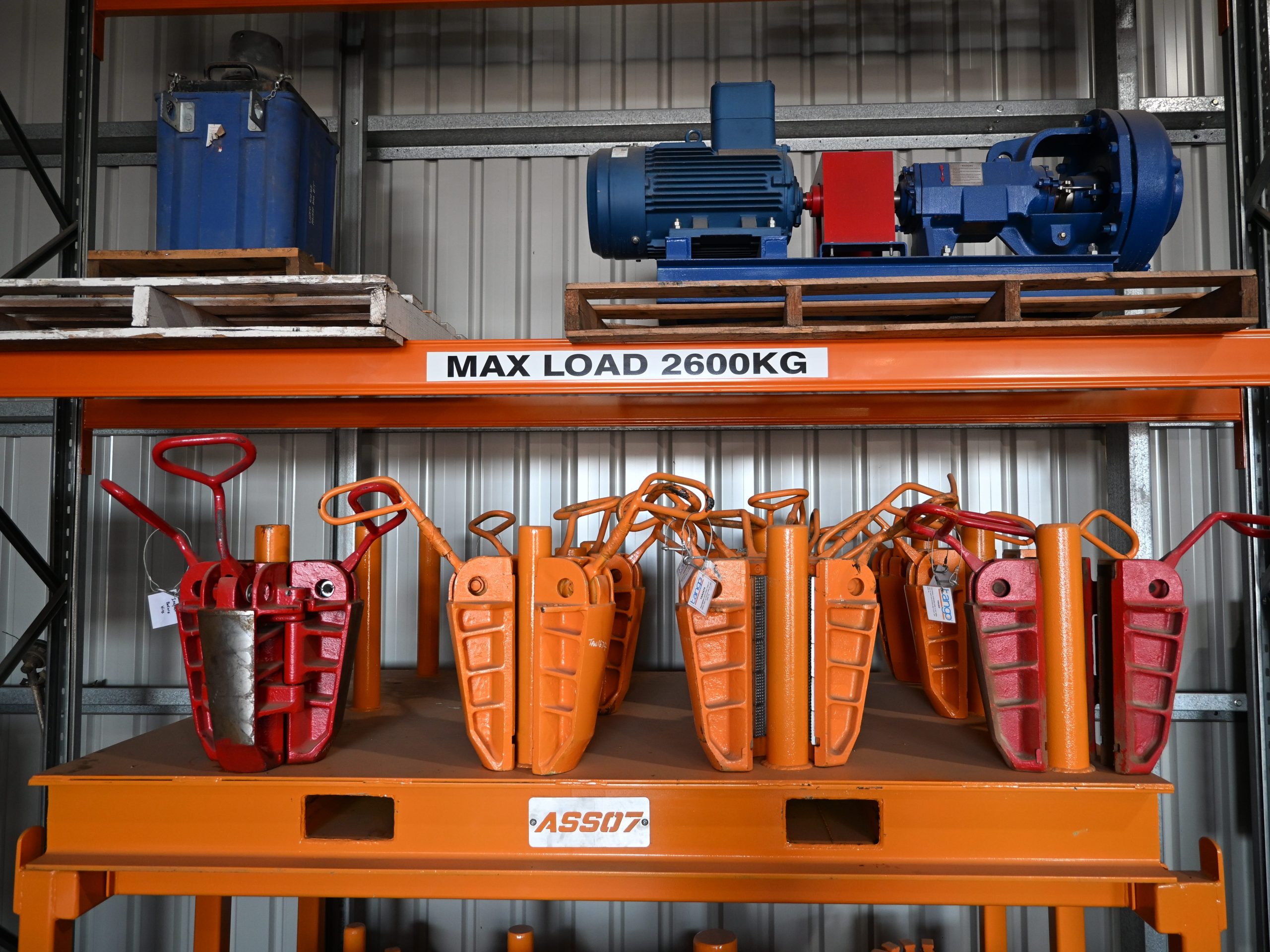
Tubular Handling & Running Equipment
Handling and running tools are integrated with drilling systems to improve safety, operational consistency, and execution efficiency. These tools support oil, gas, geothermal, and high-complexity wells by enabling precise equipment deployment, minimizing downtime, and maintaining well integrity during drilling and intervention operations.
View Tubular Handling & Running Tools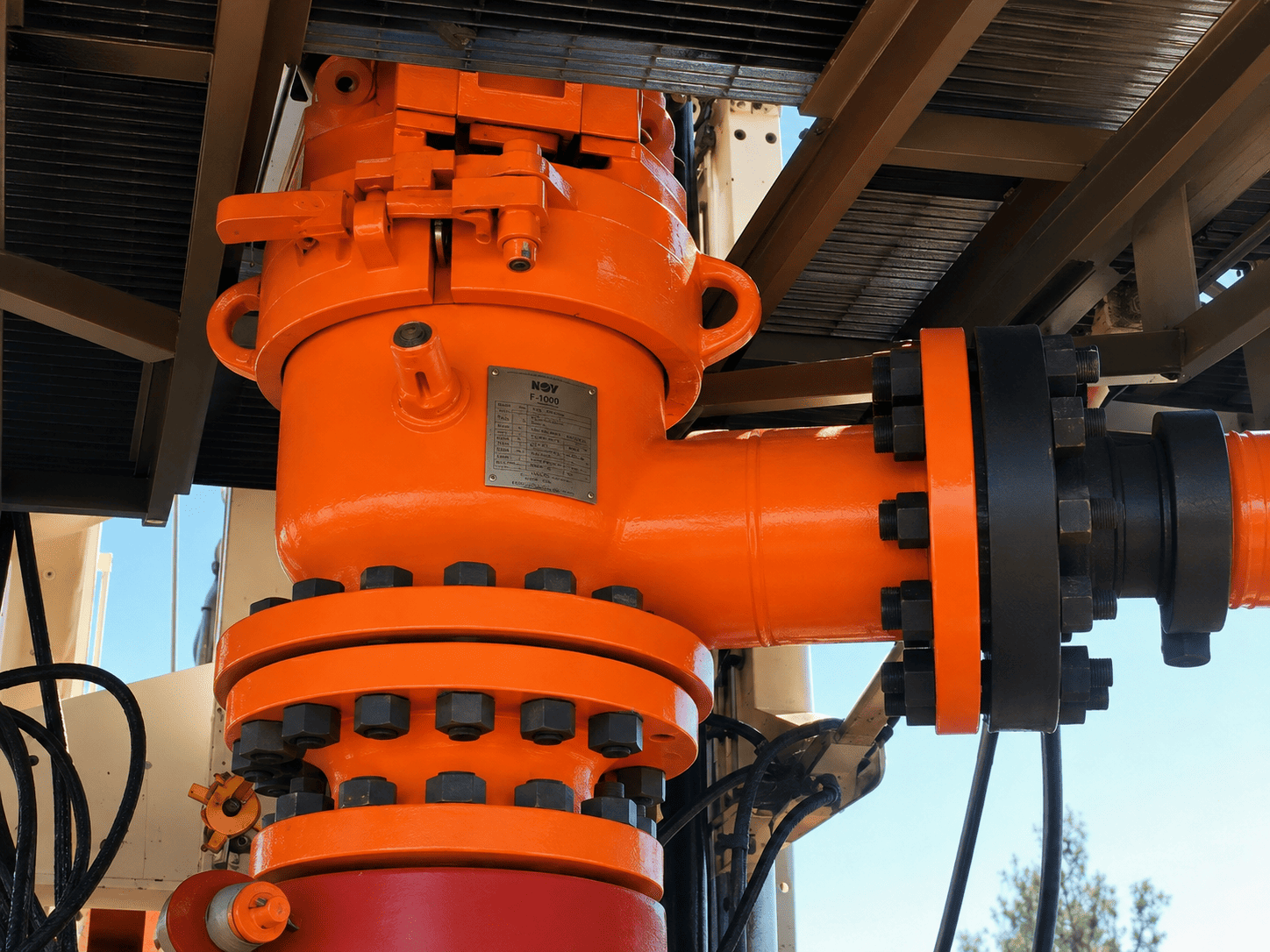
Pressure Control & Flow Iron Equipment
Pressure control and flow iron equipment are configured to support drilling, contingencies, and transitions into intervention or flowback operations. These systems ensure safe and efficient management of wellbore pressures, maintain operational continuity, and enhance well integrity across oil, gas, geothermal, and complex wells while supporting regulatory compliance and site safety standards.
Explore Pressure Control & Flow IronIntegrated Drilling Tool Systems
Successful drilling operations rely on the interaction between BHA design, workstrings, handling equipment, and pressure control systems. Tasman engineers drilling tool packages as complete systems, ensuring all components are compatible, inspected, and prepared for the intended application.
Rather than supplying isolated tools, Tasman supports drilling programs with integrated drilling systems aligned to well objectives, hole conditions, and operational risk profiles.
- Drilling rental tools and BHA components
- High-spec directional and performance drilling technologies
- Workstrings, drill pipe, and tubular handling equipment
- Pressure control and flow iron systems
- Engineering support, workshop preparation, and pre-job readiness
These systems are routinely deployed across vertical, directional, extended-reach, geothermal, and hard-rock drilling programs.
Drilling Rental Tools & BHA Components
Tasman maintains a broad drilling rental fleet supporting standard, directional, and high-complexity wells. Our BHA offerings are designed to be application-specific, not vendor-driven.
- Drill collars, heavy-weight drill pipe, and stabilisers
- Drilling jars, fishing & drilling accelerators, shock tools, and vibration mitigation
- Directional motors, RSS-compatible tooling, and non-magnetic drill collars (NMDCs)
- Friction reduction tools, anti-stick slip and vibration mitigation systems
- On-demand circulating tools for pressure and flow management
Through strategic technology partnerships, Tasman selects best-in-class tools for each application rather than pushing a single in-house product line. This allows engineers to optimise performance while managing risk and cost.
Tubular Handling & Running Equipment
Efficient and safe tubular handling is critical to drilling performance, rig safety, and operational tempo. Tasman supplies handling and running equipment commonly packaged alongside drilling rental tools to reduce interfaces and mobilisation complexity.
- Elevators for drill pipe, casing, and tubing
- Elevator bails, lift subs, slips, spiders, bowls, and safety clamps
- Manual tongs, hydraulic tongs, spinners, and power tongs
- Pipe baskets, bins, and handling frames for wellsite logistics
Packaging handling equipment with drilling tools improves safety outcomes and reduces delays during rig-up, tripping, and BHA changes.
Pressure Control & Flow Iron Equipment
Pressure control equipment supports primary and secondary well control during drilling, intervention, and flowback operations. Tasman supplies pressure control and flow iron equipment as rental assets, configured to integrate with drilling and fluid storage systems.
- Blowout preventers (BOPs), diverters, and rotating control devices
- Gate valves, plug valves, and choke manifolds
- 2″ and 3″ 1502 flow iron packages for intervention and flowback
- Flare lines, stands, and ancillary pressure containment equipment
These systems are frequently deployed alongside drilling fluids, frac tanks, and mud systems to support well control and circulation requirements.
Engineering Support & Strategic Partnerships
Tasman’s drilling tool solutions are supported by engineering input, workshop preparation, and strategic technology partnerships. This enables drilling programs to leverage application-specific innovation without being constrained by a single vendor’s product suite.
- TAQA / Cougar — drilling jars, accelerators, and anti-vibration / anti-stick slip tools
- Impulse Downhole Tools — friction reduction and vibration mitigation technology
- Varel — drilling bits, hole openers, and casing accessories
These partnerships support directional complexity, vibration control, torque management, and performance optimisation across challenging drilling environments.
Talk to Tasman Early
The greatest drilling efficiencies are achieved long before tools are mobilised to the rig. Engaging Tasman early enables drilling teams to optimise BHA design and tool selection, manage interface and compatibility risks, plan logistics and contingency equipment, and reduce non-productive time through proactive engineering support.
Speak to an Engineer