
Mixing Pumps, Hoses & Manifolds
Mixing Pumps, Hoses & Manifolds for Integrated Surface Fluid Handling & Wellsite Operations
Mixing pumps, hoses, and manifolds are critical to the safe and efficient movement of fluids at surface during drilling, workover, completion, and well intervention operations. Poorly selected or mismatched transfer equipment can create bottlenecks, increase surface risk, and contribute directly to non-productive time (NPT).
Tasman supplies oilfield-rated mixing pumps, hose packages, manifolds, and associated surface equipment, selected and configured to support fluid storage, mixing, circulation, and transfer as part of an integrated surface fluid handling solution — not as standalone hire items.
These systems are commonly deployed alongside frac tanks, mud mixing tanks, pressure control equipment, fishing tools, and thru-tubing systems as part of a broader wellsite package.
Tasman supports surface fluid handling operations across oil & gas, geothermal, and mining sectors throughout Australia, New Zealand, and Papua New Guinea.
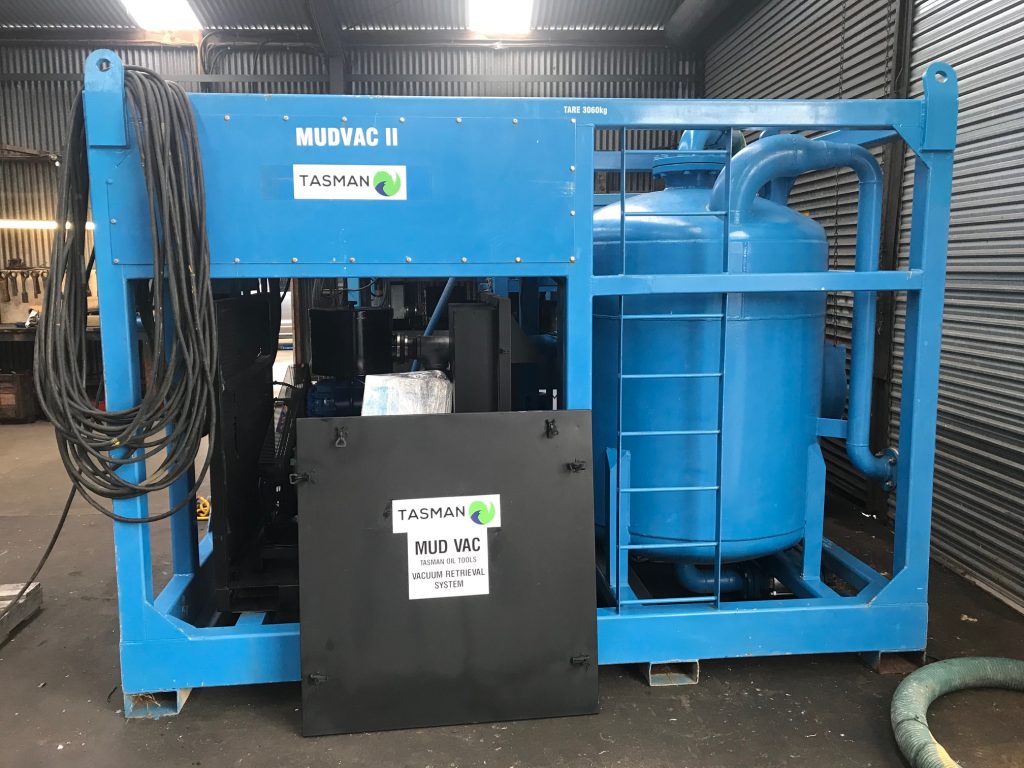
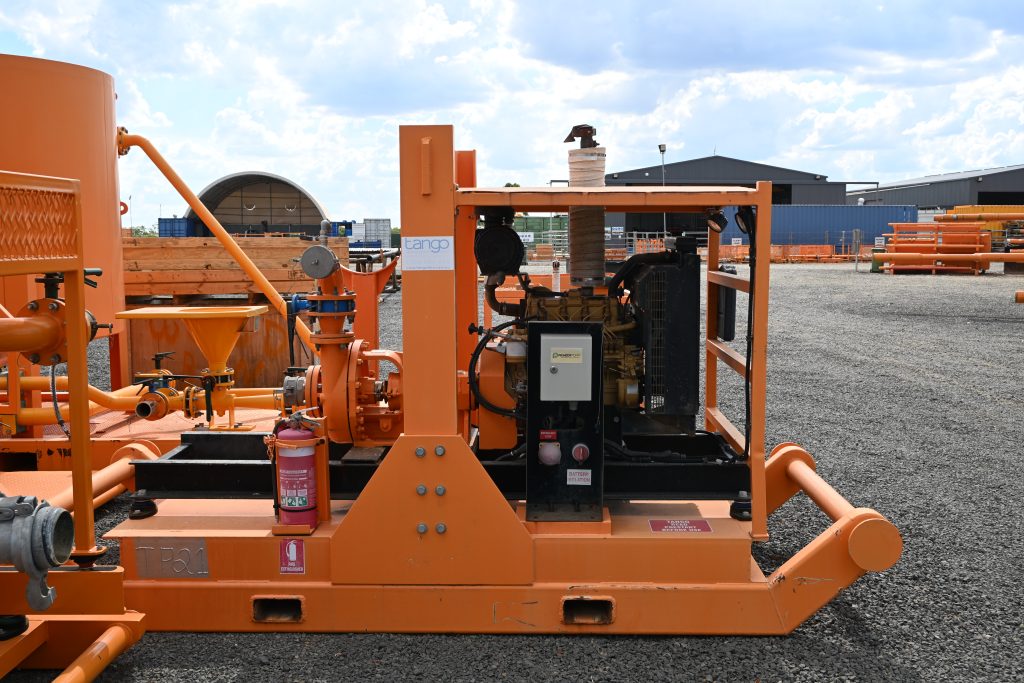
Where Mixing Pumps, Hoses & Manifolds Are Used
Mud mixing tanks and fluid preparation equipment are used whenever chemicals, weighting agents, or lost circulation material must be added to base fluids in a controlled manner. These operations require accurate dosing, effective shearing, and continuous agitation to ensure additives are fully dispersed and remain in suspension.
- Drilling fluid system preparation and maintenance
- Lost circulation material (LCM) and specialty pill mixing
- High-viscosity sweeps and wellbore cleanouts
- Cement mix water and spacer preparation
- Completion fluid and brine preparation
- Workover and well intervention operations
When selected and configured as part of an integrated fluid handling system, mud mixing equipment reduces interface risk, improves fluid consistency, and helps minimise non-productive time. Early planning ensures fluid preparation capacity matches the operational sequence.
Products & Services
Surface transfer and distribution equipment is used wherever fluids must be moved safely, reliably, and in a controlled manner between tanks, mixing systems, and wellsite equipment. These operations often evolve throughout a program, requiring flexibility in layout, flow paths, and capacity.
- Drilling fluid mixing and circulation systems
- Mud conditioning and displacement operations
- Completion and stimulation fluid preparation
- Well intervention and cleanout operations
- Flowback and pressure control support
- Waste handling and containment transfer
- Addition of dry chemical additives and fluid conditioning at surface
When engineered as part of an integrated fluid handling system, these assets reduce interface risk and improve operational efficiency. Early engagement allows transfer capacity and layout to be aligned with the full operational sequence.
Mixing and transfer pumps are used to move fluids between frac tanks, mixing tanks, mud systems, and downstream surface or pressure control equipment. Pump selection is driven by required flow rates, pressure ratings, fluid properties, and duty cycle.
- Transferring fluids between frac tanks and mixing tanks
- Circulating drilling mud and completion fluids
- Feeding agitated tanks and temporary mud plants
- Supporting displacement and well intervention operations
- Pumping fluids through manifolds and hose systems
When configured with appropriate hoses, manifolds, and tank systems, pumps form the backbone of scalable surface fluid layouts. Tasman engineers pump selection to match fluid properties, operational demands, and integration with surrounding equipment.
Hose packages provide safe, flexible fluid transfer between tanks, pumps, and wellsite equipment. Hose selection must account for pressure rating, chemical compatibility, temperature, and physical layout constraints to ensure safe operation.
- Connecting frac tanks, mixing tanks, and pumps
- Transferring drilling mud, completion fluids, and brines
- Supporting temporary mud plants and mixing systems
- Displacement, circulation, and cleanout operations
- Linking pressure control and flowback equipment
Hoses are supplied as part of engineered surface fluid handling layouts rather than standalone items. Tasman designs hose packages to suit site geometry, operating pressures, and integration with pumps and manifolds.
Mud hoppers are used to safely introduce dry chemical additives into circulating fluid systems during mixing and conditioning operations. Controlled introduction reduces dust, spillage, and inconsistent blending while improving operator safety.
- Adding mud chemicals and drilling additives
- Mixing lost circulation material (LCM) and specialty pills
- Blending weighting agents and viscosifiers
- Supporting fluid conditioning during drilling and intervention operations
Tasman supplies standard mud hoppers and large-capacity bulk hoppers, including units capable of handling up to 1 metric tonne (1 MT) of dry additives. These systems are engineered to integrate with mixing pumps, manifolds, and tank systems.
Manifolds allow operators to direct, isolate, and control fluid flow between multiple tanks, pumps, and surface systems. Valves, fittings, and ancillary equipment provide reliable connections and control across all surface fluid systems.
- Routing fluids between multiple storage tanks
- Manifolding multiple tanks for bulk suction or discharge
- Switching between mixing, circulation, and transfer paths
- Supporting displacement, pressure testing, and flowback operations
- Adapting surface systems to changing wellsite requirements
Engineered manifold and valve layouts improve operational control and reduce surface complexity. Tasman selects and designs these systems to integrate with pumps, hoses, tanks, and pressure control equipment.
Mixing pumps, hoses, and manifolds rarely operate in isolation. Effective surface fluid handling depends on compatibility between storage, mixing, transfer, circulation, and containment assets.
- Frac tanks and fluid storage systems
- Mud mixing tanks and temporary mud plants
- Mixing pumps, hose packages, and manifolds
- Pressure control and flowback equipment
Engineering these systems together reduces interface risk, simplifies logistics, and improves overall wellsite efficiency while helping minimise non-productive time.
Local Availability & Engineering Support
Tasman maintains mixing pumps, hose packages, manifolds, and ancillary surface equipment across Australia, New Zealand, and Papua New Guinea. Local availability ensures rapid mobilisation, reduced transport costs, and responsive engineering support.
Engineering involvement ensures surface fluid handling systems are correctly configured for each application rather than deployed as generic assets.

Talk to Tasman Early
Choosing the right mud mixing and fluid preparation equipment requires careful consideration of fluid volumes, chemistry, solids content, site constraints, and integration with the wider wellsite operation.
By engaging Tasman early, we engineer fluid preparation solutions that enhance consistency, minimise downtime, and integrate seamlessly with drilling, intervention, pressure control, and fluid handling systems.