rentals > services > solutions
Our Services
Drilling Tool Rental Solutions
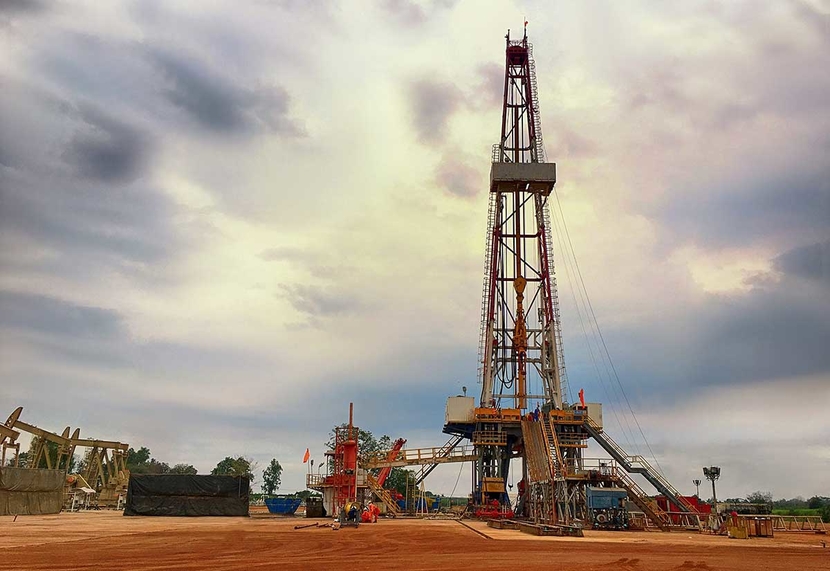
Integrated drilling systems including drilling rental tools, BHA components, tubular handling equipment, and pressure control systems—engineered to work together across conventional, directional, geothermal, and mining drilling operations.
Browse Drilling Rental Tools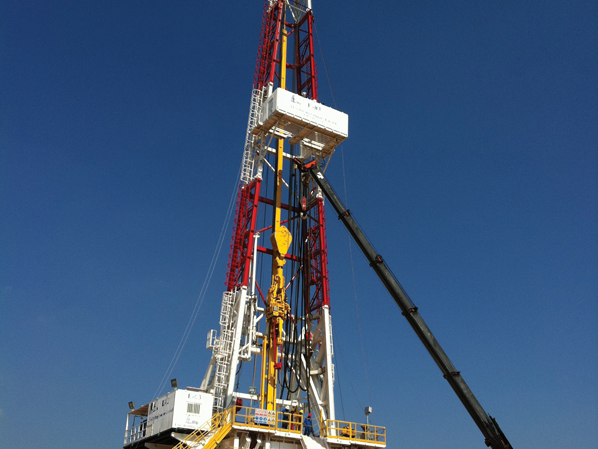
Fishing & Well Intervention Solutions
End-to-end fishing, thru-tubing, and service packer solutions supporting well integrity, remediation, plug and abandonment, and unplanned intervention operations—delivered as tools or integrated engineered packages.
Explore Fishing & Well Intervention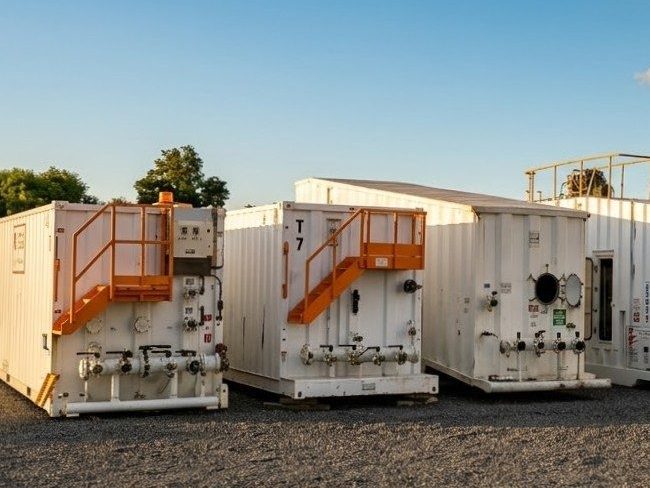
Frac Tanks & Fluid Storage Solutions
Frac tanks, mud mixing tanks, pumps, hoses, and manifolds supplied as standalone rental equipment to support drilling, workover, intervention, geothermal, and mining fluid storage requirements.
Explore Frac Tank & Fluid Storage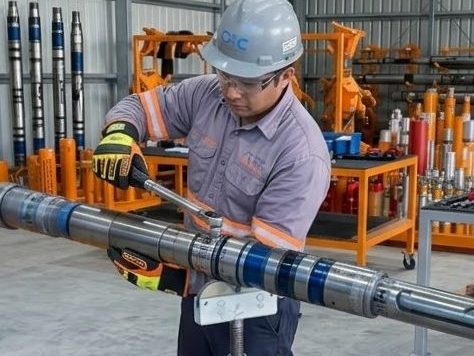
Engineering & Workshop Solutions
Engineering support and workshop services including pressure testing, inspection, redress, repairs, tool configuration, and pre-job readiness checks—ensuring equipment performs as intended before reaching the wellsite.
View Engineering & Workshop Solutions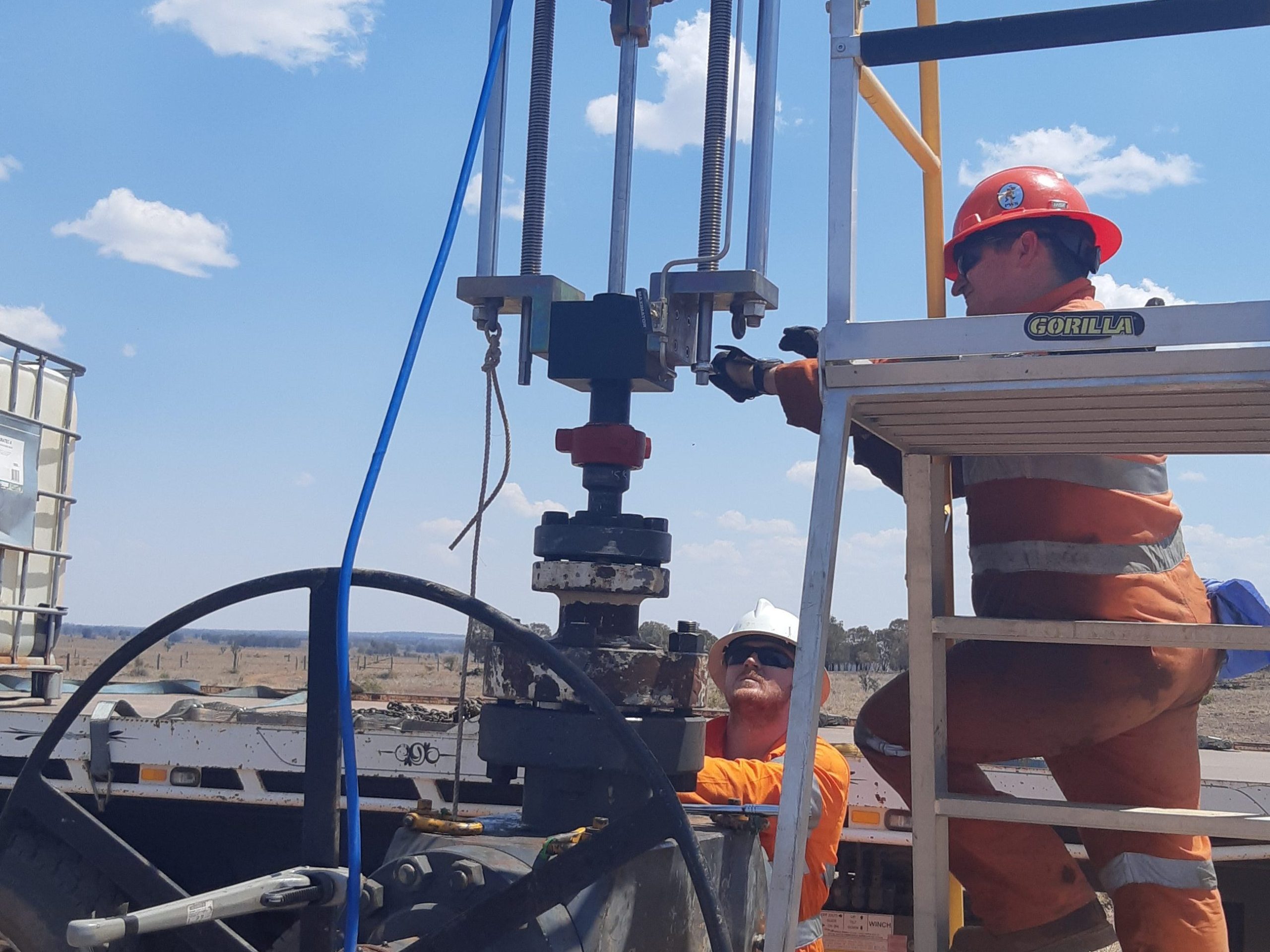
Integrated Wellsite Solutions
Coordinated planning, equipment integration, logistics alignment, and execution support across drilling, intervention, and abandonment programs—reducing vendor interfaces and simplifying complex operations.
Discover Integrated Wellsite SolutionsTrusted by Leading Operators and Contractors
Tasman supports a broad cross-section of operators, drilling contractors, and service companies across Australia, New Zealand, and Papua New Guinea. From single-well interventions to extended drilling and workover campaigns, Tasman is trusted where execution certainty matters.















Quality, Safety & Operational Assurance
Reducing risk is just as important as reducing downtime. Tasman’s engineering, workshop, and field support processes are underpinned by formal quality and safety management systems designed to give engineers confidence in the equipment they deploy.
- ISO 9001 Quality Management Systems
- ISO 45001 Occupational Health & Safety Management Systems
- Inspection and quality control aligned with TH Hill DS-1 standards
- Use of API-licensed machine shop facilities where applicable
All equipment is inspected, maintained, and prepared to defined standards before mobilisation, ensuring consistent performance and reduced operational risk at the wellsite.
Learn More About Quality & Safety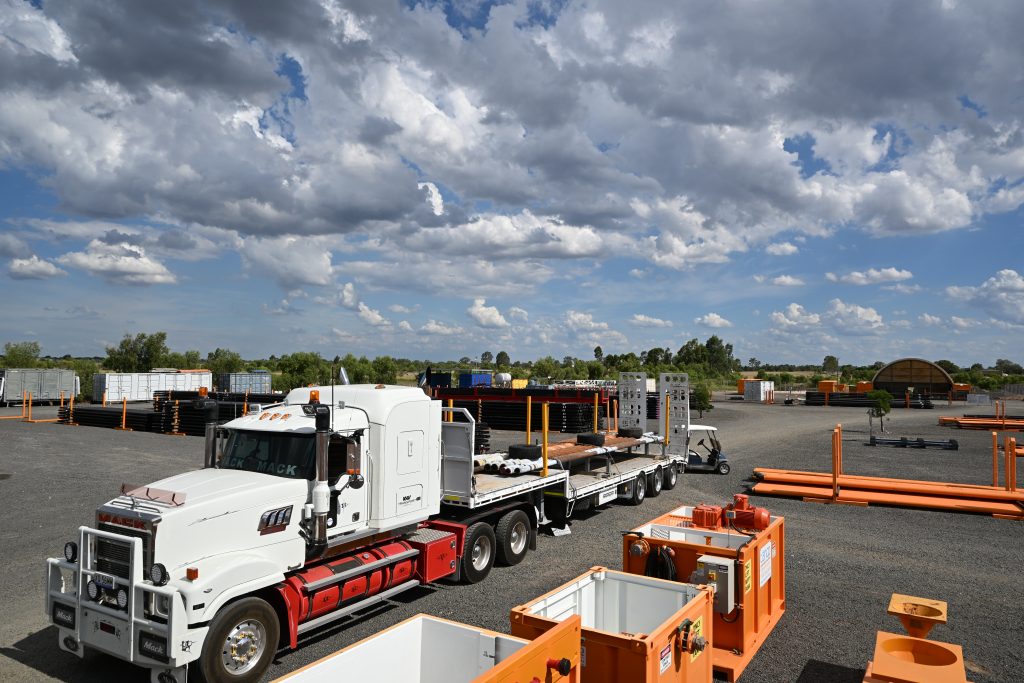
Local Execution Without Corporate Delay.
Tasman’s operating model is designed around local execution, not remote approval chains.
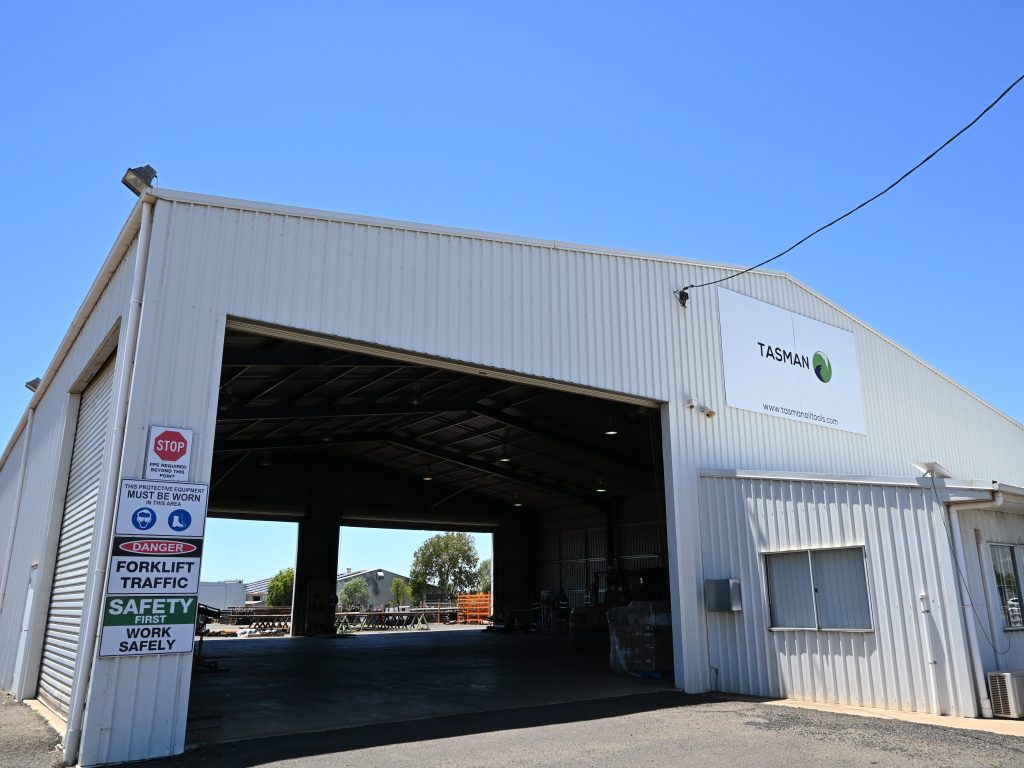
With operational bases in Perth, Queensland, and New Zealand, supported by engineering and sales teams in Brisbane, Tasman responds faster, mobilises quicker, and reduces logistics-driven downtime.
- Drilling campaigns with changing well conditions
- Unplanned fishing or well intervention events
- Workover and plug & abandonment operations
- Geothermal and mining projects in remote or specialist environments
By keeping people, equipment, and decision-making close to the wellsite, Tasman helps reduce delays that directly translate into non-productive time.
Large Enough to Compete. Agile Enough to Respond.
Tasman was deliberately built to bridge the gap between small local rental providers and large international oilfield service companies. Our size allows us to deliver integrated solutions across multiple regions and disciplines, while our structure allows decisions to be made quickly and close to the operation.
Unlike global oilfield service companies, Tasman operates without layers of corporate approval or remote decision-making. Unlike smaller local rental providers, we have the scale, engineering depth, workshop capability, and regional footprint required to support complex, multi-well programs.
- Regional scale across Australia, New Zealand, and Papua New Guinea
- Local yards and engineering support close to operations
- Fast decision-making and flexible execution
- Strategic technology partnerships selected for application-specific performance
This balance allows Tasman to compete with major OFSEs on capability, while outperforming them on responsiveness, flexibility, and local execution.

Talk to Tasman Early
The greatest value is created when engineering, equipment selection, and logistics planning begin early. Early engagement allows interfaces to be managed, contingencies to be planned, and execution risks to be reduced before work begins.
Whether you require standalone dry-hire rental equipment, engineering and workshop support, or a fully integrated wellsite solution, Tasman provides the flexibility to scale support to match your operation.